
Public records for student reporters
A rumor says the district spent too much on new scoreboards. A contract or budget line shows what actually happened, and student reporters can often ask for one under the open records laws.
What counts as a public record
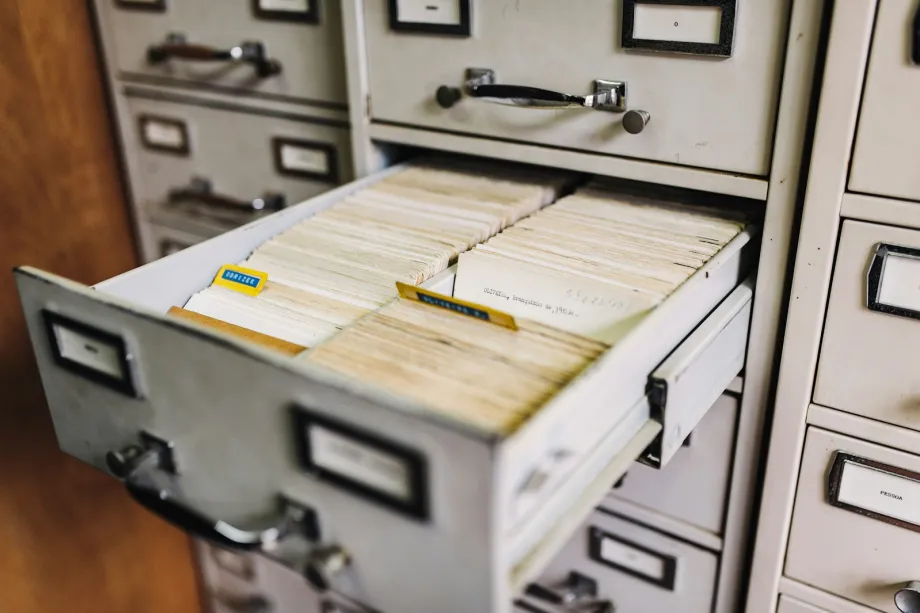
Every time a public school district signs a contract, holds a board meeting or gets an inspection report, it creates a document. Public records are the documents and data that government bodies create, receive or keep while doing public business. They include meeting minutes, budgets, audits, contracts, inspection reports and, in many cases, emails between officials.
For a student reporter, records are proof. Rumors and anonymous tips can point you toward a story, but they cannot carry one. If the board says there is no money for a program, the budget shows where the money went. If students complain about cafeteria conditions, an inspection report shows what the inspector found.
The idea behind open records laws is that government business belongs to the public that pays for it. Your job is to find the right document, read it carefully and explain to readers what it shows.
This guide is general information, not legal advice. Laws vary, and your adviser is the first person to talk to when a request gets complicated.
Federal FOIA and state open records laws
Many students assume every request is a "FOIA request." The federal Freedom of Information Act applies to federal agencies, such as the US Department of Education or the Environmental Protection Agency. Federal agencies rarely hold records about your principal, your school board or your city council.
For local stories, the law that matters is your state's open records law. These laws go by different names, such as public records act, sunshine law or open records act, and every state has one. They generally cover state and local government bodies, including public school districts, city governments and county offices.
State laws differ in important ways: how quickly an agency must respond, what it may charge, who can make a request and which records are exempt. Before you file, look up how your own state's law works. A state press association or a resource such as the Student Press Law Center can help you find the basics, and your adviser can help you read them.
Private schools are generally not government bodies, so state open records laws usually do not reach them. Reporting on a private school relies more on interviews, published materials and documents people choose to share.
What schools and cities keep on file
Knowing what exists makes it much easier to ask for the right thing. A public school district typically keeps:
- Budgets, spending reports and audits.
- Contracts with outside vendors, such as transportation, food service and security companies.
- Employment contracts for top administrators.
- Correspondence among board members and administrators about public business.
- Facility inspection reports and safety records.
- Board meeting agendas, minutes and voting records.
City and county offices often hold related records:
- Health inspection reports for food service.
- Police incident reports and call logs, subject to exemptions.
- Council resolutions, zoning decisions and building permits.
- City and county budgets.
Before filing, figure out which office actually creates or keeps the document you want. Sending the request to the right place saves everyone time.
Writing a narrow request
Broad requests are slow. Asking for every email the principal sent over several years could mean an enormous pile of pages, a long wait and possibly a significant fee. A narrow request is faster for the agency and more useful for you.
A clear request includes:
- The agency and, if you know it, the person who handles records requests.
- A reference to your state's open records law.
- A specific description of the records, with a date range, subject and the names of the people involved.
- A request for a cost estimate in advance, and a fee waiver if your state allows one.
- Your contact information and the format you prefer, such as electronic copies.
Instead of asking for "all communications about school safety," ask for emails between the principal and the superintendent that mention the school resource officer during a specific few months of this school year.
Make the request in writing, keep a copy and note the date you sent it. If your state sets a response deadline, write it on your calendar.
Privacy limits and FERPA
Open records laws do not open every file. States exempt certain records, often to protect personal privacy, security or ongoing legal matters, and the list differs from state to state.
For schools, the most important privacy law is the Family Educational Rights and Privacy Act, or FERPA. It is a federal law that protects education records about individual students. In general, a school cannot release personally identifiable information from those records without consent from a parent or from a student who has reached the age where the rights transfer.
FERPA typically covers records such as:
- Grades and transcripts.
- Individual disciplinary records.
- Special education and health records kept by the school.
FERPA is sometimes cited for documents it does not cover. A district budget, a vendor contract or an inspection report is not a student education record. When a document mixes protected student information with other material, the usual approach is to remove the protected parts and release the rest, though how that works depends on the record and your state's law.
If a request is denied, ask the agency to name the specific exemption it is relying on in writing. If only part of a record is confidential, ask for a redacted copy instead of a complete refusal.
Patience and follow-up
The person handling your request may be a busy clerk or a school secretary with many other jobs. Courtesy goes a long way and makes the next request easier.
If you have not heard back in a reasonable time, send a polite note or call to confirm the request arrived and ask about its status. Offer to narrow the dates or search terms if that would help.
Keep a log of every contact: dates, names and what was said. If a request is denied or ignored, go over it with your adviser before deciding what to do next. Records take patience, but they let student reporters show readers exactly how public decisions are made.
Frequently asked questions
What is the difference between FOIA and state open records laws?
The federal Freedom of Information Act covers records held by federal agencies. Public school districts, cities and counties fall under state open records laws instead, which each state writes for itself. For most school stories, the state law is the one that matters.
Can a public school refuse a records request because of FERPA?
FERPA protects education records about individual students, such as grades and discipline files. It does not cover things like a district budget or a vendor contract. When a record mixes protected student information with other material, the protected parts may be withheld or redacted. If you think FERPA is being stretched too far, talk to your adviser.
Does it cost money to request public records?
It depends on the state and the agency. Some charge for copies or staff time, and some will waive or reduce fees. Ask for a cost estimate before the agency starts work, and ask whether electronic copies cost less.
What should a student reporter do if a request goes unanswered?
Follow up politely to confirm the request was received, and ask when you can expect an answer. Keep a log of every contact. If you still hear nothing or receive a denial you disagree with, review it with your adviser. The Student Press Law Center is a general resource on student media law.