Interviewing sources for a school story
A good interview starts before you say hello, with background reading and a short list of questions you actually need answered. After that come the ground rules, a recording made w…

A good interview starts before you say hello, with background reading and a short list of questions you actually need answered. After that come the ground rules, a recording made w…
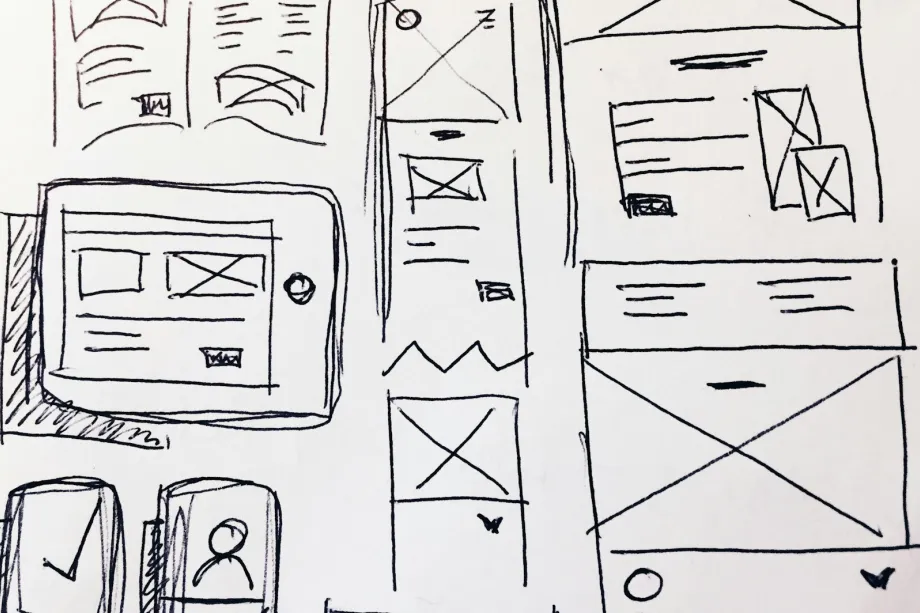
Readers decide where to look in the first second they spend with a page, and design makes that choice for them. Grids, type, one strong photo and some breathing room do most of the…
A photo without a caption leaves readers guessing, and a photo that has been staged or altered misleads them. Accurate captions and honest images are where a student photographer's…
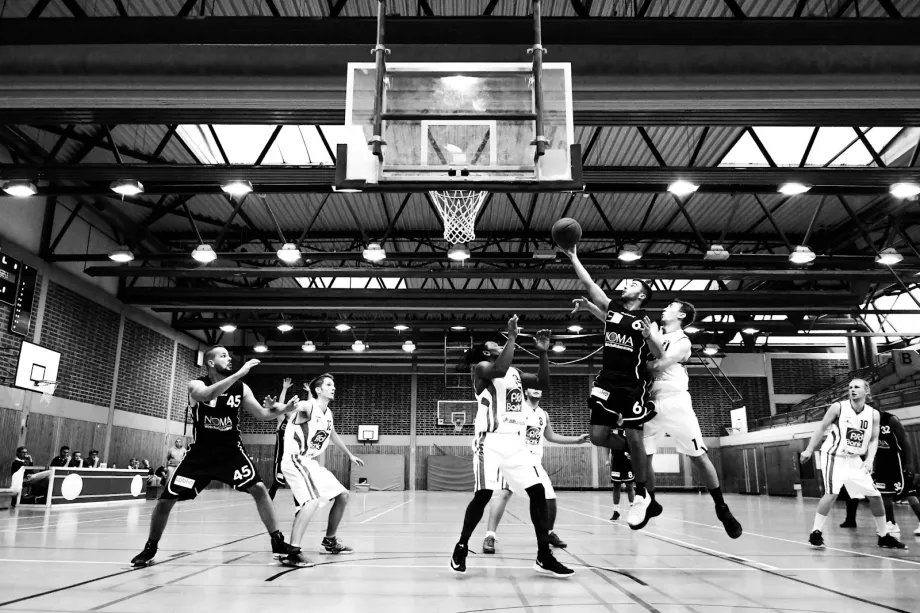
The scoreboard says who won, but the photo should show how it felt. Covering school events well means working in poor light, getting close, timing the action and coming home with e…
Plenty of students open the yearbook, flip to their portrait and find themselves nowhere else. A ladder built with intention, a coverage plan and regular index checks fix that long…
A rumor says the district spent too much on new scoreboards. A contract or budget line shows what actually happened, and student reporters can often ask for one under the open reco…
Becoming editor means spending less time on your own stories and more on everyone else's. A shared story budget, short focused meetings, honest feedback and a clear corrections pol…
Readers will listen to a strong opinion when they can see the reporting underneath it. Columns and reviews earn trust through evidence, specific detail and honesty about the writer…